How to find who owns a development site
Most development sites are owned by an LLC with a forgettable name. The deed tells you which entity holds title; the state's business registry and the property tax record usually tell you who is behind it.
Last verified · How we report · Report a correction
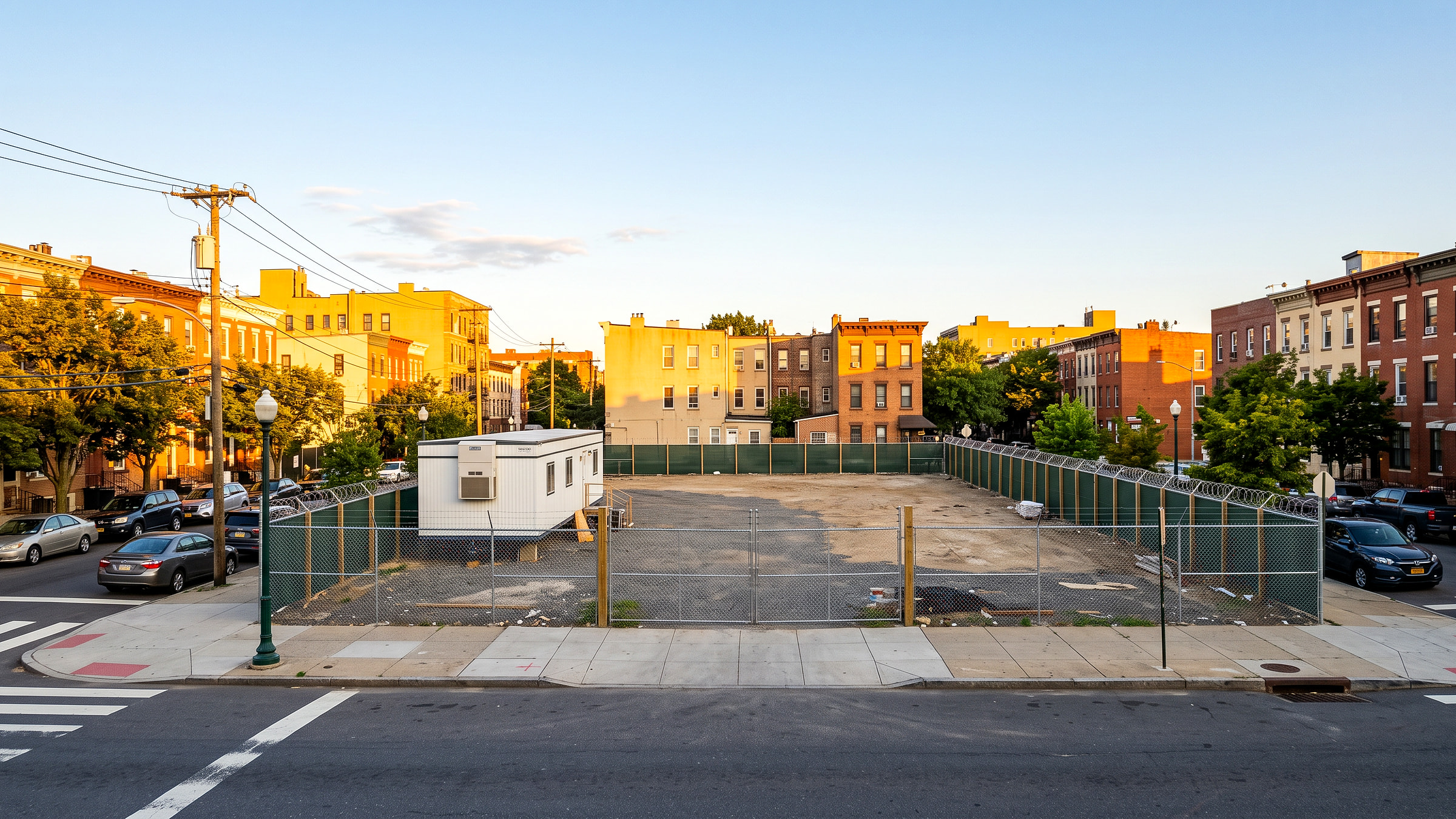
To find who owns a development site, start with the deed in the county records, which names the entity that holds title, then look that entity up in the state business registry, which names its officers, managers and registered agent. The property tax record fills in the mailing address. Most sites are held by a single-purpose LLC, so the work is usually tracing that LLC to the developer or family office behind it.
Step 1: Find the owner of record
The owner of record is whoever the last recorded deed names.
The news that moved today. Free email. Every weekday morning.
- New York City: ACRIS, the Automated City Register Information System, holds recorded deeds, mortgages and other documents for Manhattan, the Bronx, Brooklyn and Queens from 1966 onward. Staten Island is not in ACRIS; its records sit with the Richmond County Clerk.
- South Florida: the Miami-Dade Clerk’s official records search returns deeds by party name, document type and date. Broward and Palm Beach clerks run their own official records searches.
- Texas: deeds are recorded with the county clerk. The quicker first stop is the county appraisal district. Under Tex. Tax Code 6.01, each county has one appraisal district, and its records list the owner of record and mailing address for every parcel.
A property appraiser or appraisal district record is a tax record, not a title record. It is usually current, but the deed is the document that controls.
Step 2: Trace the LLC
A deed to “123 Main Street Holdings LLC” names an entity, not a person. The state registry is where the people appear.
- Florida: Sunbiz, run by the Division of Corporations, shows each entity’s filings and annual reports, which are public and list officers or managers and the registered agent. Sunbiz can also be searched by officer or registered agent name, which is the fastest way to find the other LLCs a developer controls.
- Texas: SOSDirect, from the Secretary of State, returns business entity filings at $1 per search.
- New York: the Department of State’s corporation and business entity database lists the entity, its filing history and the address for service of process.
Step 3: Read what the filings connect
Look for repeats across entities: the same manager, the same registered agent, the same mailing address on the tax record. A cluster of single-purpose LLCs sharing a manager or an address usually points to one developer. The mortgage, if one was recorded, names the lender, which is often the next lead.
What you cannot see
- Federal beneficial ownership reports. They were never public, and a March 2025 FinCEN interim final rule exempted companies created in the United States from filing them.
- New York’s LLC Transparency Act filings. The law took effect January 1, 2026, covers only LLCs formed outside New York, and its database is not public.
When the paper trail ends at a registered agent or a law firm, that is a finding in itself. We report what the records show and say what they do not.
Track it on The American Developer
- Developer profiles collect the projects and filings we tie to each firm.
- Permits, filings and hearings covers the public records behind our stories.
- How to track commercial real estate deal flow covers deals once they are announced. More explainers live in our guides.
Latest national stories
All national storiesLong Branch: Inspired by Somerset Completes 22-Condo Inkwell Lofts
Nov 20Veritas and Refound Buy 257 Utah Apartments in 3 Deals
Nov 17Berkadia Sells and Finances 336-Unit Everett, WA Apartments
Nov 9Brookfield-CPPIB consortium completes $5.2B LXP buyout
Nov 3Berkadia Secures $65.5M Bridge Loan for Orlando-Area BTR Community
Oct 28