How to read a zoning variance
A variance is permission to break a specific rule in the zoning code on one property. Reading one well means knowing which rule is being broken, which legal test applies, and how the board voted.
Last verified · How we report · Report a correction
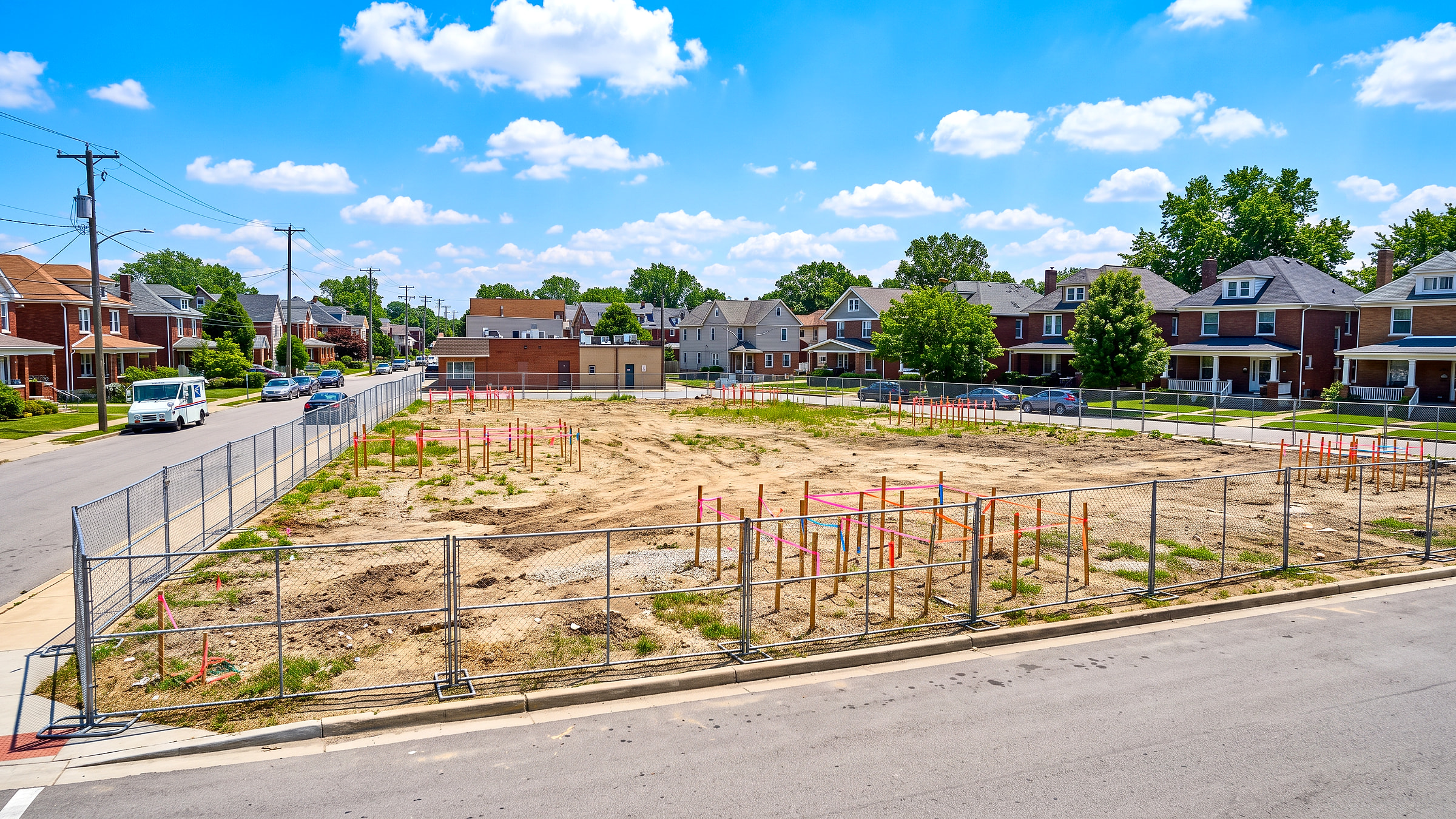
A zoning variance is permission from a local board to break one specific rule of the zoning code on one property, such as a setback, a height limit or a parking minimum. To read one, find three things: the exact rule being varied and by how much, the legal test the board had to apply, and how the board voted. Boards can only grant a variance when they make the findings their code requires, which almost always turn on a hardship tied to the land itself rather than to the owner’s plans.
This guide explains public procedure. It is not legal advice.
The news that moved today. Free email. Every weekday morning.
Updated October 29, 2026.
What is a variance, and what is it not?
A variance is relief from a rule the project cannot meet. It is different from:
- A rezoning, which changes the rules for a property or area and is usually decided by the city council or commission.
- A special use or special exception, which is a use the code already lists as allowed if the board finds it fits the site. Texas Local Government Code 211.008 and 211.009 treat special exceptions and variances as separate powers of a board of adjustment.
- An administrative adjustment, a smaller deviation some cities let staff approve. Los Angeles, for example, tells applicants that height and density adjustments under 20% should be filed as a Zoning Administrator’s Adjustment rather than a variance (LA City Planning zone variance form).
The distinction matters for reading a case. A variance is meant to be the exception, so the record has to explain why this lot is different.
What does a board have to find to grant a variance?
Every city sets its own test in its code, but the elements repeat: a hardship or practical difficulty, caused by conditions unique to the property, not created by the owner, that does not harm the neighborhood. Here is how four of our markets word it.
New York City. The Board of Standards and Appeals hears variances on its zoning (BZ) calendar. Under Zoning Resolution 72-21, it must make all five findings:
- unique physical conditions of the lot, such as irregular shape, narrowness, shallowness or topography, create practical difficulties or unnecessary hardship;
- there is no reasonable possibility the lot can earn a reasonable return under strict compliance (this finding is not required for a nonprofit);
- the variance will not alter the essential character of the neighborhood or district, or substantially impair nearby property;
- the hardship was not created by the owner or a prior owner; and
- the variance is the minimum needed to afford relief. The board may grant less than was asked.
Chicago. The Zoning Board of Appeals is a five-member board appointed by the Mayor with City Council consent. It hears variations, special uses and appeals of the Zoning Administrator. Under Section 17-13-1107 of the Chicago Zoning Ordinance, the board must find that strict compliance would create practical difficulties or particular hardships, and that the property cannot yield a reasonable return under the district’s rules, the hardship comes from unique circumstances, and the variation will not alter the essential character of the neighborhood.
Los Angeles. A Zoning Administrator decides zone variances under Section 12.27 of the Los Angeles Municipal Code. The city’s zone variance form lists five findings: practical difficulties or unnecessary hardship; special circumstances of the property such as size, shape, topography, location or surroundings; that the variance is needed to preserve a substantial property right other property in the zone and vicinity has; no material detriment to the public welfare or nearby property; and no adverse effect on the General Plan. The form says the Zoning Administrator must deny the request if all the findings cannot be made.
Texas. Under Local Government Code 211.009, a board of adjustment may grant a variance if it is not contrary to the public interest and, due to special conditions, literal enforcement would result in unnecessary hardship, so that the spirit of the ordinance is observed and substantial justice is done. Subsection (b-1) lets the board consider specific grounds for hardship on a structure, including a cost of compliance above 50 percent of the structure’s appraised value, or a loss of at least 25 percent of the lot’s buildable area.
How do I read a variance application or agenda item?
Start with the rule, not the project description. A useful checklist:
- Which section is being varied? The application or the building department’s objection should cite it. A rear yard, a floor area ratio and a use restriction are very different asks.
- By how much? Compare what the code requires with what is proposed. Ten feet of extra height on a 60-foot limit reads differently from three extra floors.
- What is the stated hardship? Look for a physical condition of the lot. Arguments about cost or a better return alone are weak under most of these tests, and New York and Los Angeles both treat a self-created hardship as a reason to deny.
- Who is the applicant? In New York, a nonprofit applicant does not have to prove the reasonable-return finding, which changes the case.
- Is it a new grant or an amendment? New York’s BSA puts amendments and extensions of earlier grants on a separate special order (SOC) calendar, so a familiar address may be an old variance coming back.
How do I read the decision?
The decision, or resolution, is where the board shows its work.
- Look for each finding. In New York, Section 72-21 says the board’s decision must address each finding, and each must be supported by substantial evidence. A denial should say which findings were not met.
- Check the vote. In Texas, Section 211.008(f) requires minutes showing each member’s vote or absence, and those minutes are public records. Section 211.009(c) requires a 75 percent concurring vote to grant a variance.
- Read the conditions. Boards often grant less than was asked, or attach conditions on hours, design or term.
- Note the date. Challenge windows can be short. In Texas, Section 211.011 gives 10 days after the decision is filed in the board’s office to petition a court.
Where do I find variance cases?
- New York City: the BSA’s public hearing calendars, organized by its BZ and SOC calendars.
- Chicago: the Zoning Board of Appeals page links meetings, calendars and minutes, plus signed resolutions going back to 1982.
- Los Angeles: Zoning Administrator cases are filed with the Department of City Planning, which hears them after notice to owners and occupants within 500 feet of the site.
- Texas cities: the board of adjustment’s agenda and minutes, which Section 211.008(e) and (f) require to be open and public.
Track it on The American Developer
- How local land-use hearings work, and how to track them covers the boards and agendas behind these cases.
- Permits, filings and hearings collects the records behind our stories.
- Follow variance and approval news in our New York, Chicago, Los Angeles, Dallas, Austin and San Antonio markets.
- More explainers live in our guides.
Latest national stories
All national storiesBerkadia Lands $34.1M Refi on Kissimmee Hotel Conversion
Nov 24Long Branch: Inspired by Somerset Completes 22-Condo Inkwell Lofts
Nov 20Veritas and Refound Buy 257 Utah Apartments in 3 Deals
Nov 17Berkadia Sells and Finances 336-Unit Everett, WA Apartments
Nov 9Brookfield-CPPIB consortium completes $5.2B LXP buyout
Nov 3