Brookfield, NextEra Build $100B AI Campus on DOE Paducah Uranium Site
Brookfield and NextEra will build a $100B AI data center campus on DOE former Paducah, Kentucky uranium site, paired with 4.6GW of on-site power.
Last verified · How we report · Report a correction
- Source Briefing
- Public record
- Also reported by POWER Magazine
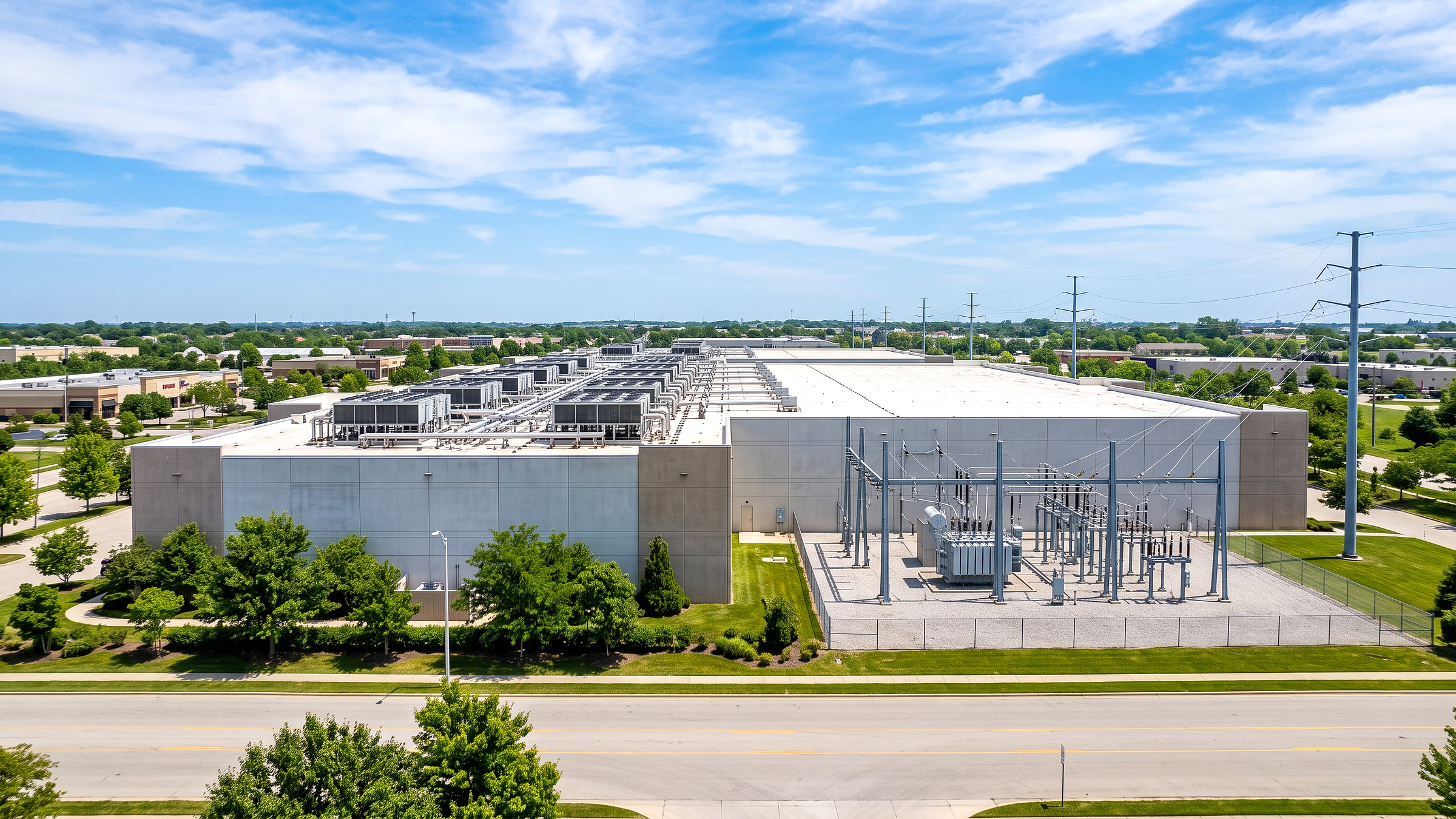
The Department of Energy has handed Brookfield and NextEra Energy the site plan every data center developer stuck in a grid interconnection queue will now study: a federal brownfield with its own dedicated power plant attached. DOE selected Brookfield to develop and operate a more than $100 billion AI data center campus on its former Paducah, Kentucky uranium enrichment site, with NextEra building and owning the power behind it, according to DOE’s own announcement.
Why it matters
The bottleneck holding back hyperscale data center construction nationally is not land, it is grid interconnection. PJM’s queue in Data Center Alley runs years deep, and developers from Virginia to Texas have been forced to chase secondary markets with spare transmission capacity. Paducah sidesteps that queue entirely. DOE’s site sits on federal land already cleared of its uranium enrichment mission, and NextEra is building the generation on site rather than waiting on a utility interconnection study. That combination, federal brownfield plus privately financed dedicated power, is the template other data center developers will now try to replicate wherever a decommissioned federal or industrial site with room for a gas plant exists.
Who's lending and buying in the US. Free, every weekday.
The numbers
DOE’s own site description puts the Paducah tract at 3,556 acres total, with about 750 acres inside the former fenced security perimeter where the Gaseous Diffusion Plant once enriched uranium from 1952 to 2013. NextEra plans up to 2 gigawatts of new grid-connected natural gas generation plus up to 2.6 gigawatts of battery storage, 4.6 gigawatts of dedicated generation in total, to support a campus DOE says will carry 1.8 gigawatts of utility capacity and more than 1.2 gigawatts of compute once fully built. That works out to roughly 3.8 megawatts of dedicated on-site generation for every megawatt of compute, a buffer built specifically because the campus cannot lean on the regional grid to cover a shortfall. DOE projects about 8,000 construction jobs and 600 permanent positions.
What’s next
Big Rivers Electric Power Corporation and Jackson Purchase Energy Cooperative still need Kentucky Public Service Commission approval for the wholesale and retail power arrangements underpinning the deal. DOE and Brookfield have targeted 2031 for construction completion, with full build-out following in 2032. For national data center developers, the signal to watch is whether other DOE and Department of Defense sites with decommissioned industrial infrastructure now draw the same kind of request-for-offers process that put Paducah in play.
Quick answers
- What is the latest on Paducah Data Center Campus?
- Brookfield and NextEra will build a $100B AI data center campus on DOE former Paducah, Kentucky uranium site, paired with 4.6GW of on-site power.
- Who is developing Paducah Data Center Campus?
- Brookfield and NextEra Energy, according to Department of Energy.
- What are the key numbers for Paducah Data Center Campus?
- Total investment: $100B; Dedicated generation: 4.6GW; Compute capacity: 1.2GW+; DOE Paducah site: 3,556 ac.
On the record
DOE's own site description page puts the full Paducah tract at 3,556 acres, with roughly 750 acres inside the former fenced security perimeter, the actual scale of federal land Brookfield is leasing into, a figure the deal coverage did not run.
Public record · energy.gov
Primary record
- Public recordNextEra's 4.6GW of contracted gas and battery generation against the campus's 1.2GW-plus compute load works out to roughly 3.8MW of dedicated on-site generation built for every 1MW of AI compute, the power ratio behind the site-selection template, calculated from DOE's own figures.View the record on energy.gov