How NYC's 485-x tax incentive works
485-x, branded Affordable Neighborhoods for New Yorkers, is the property tax exemption that replaced 421-a for new rental and condo buildings. Here is what each option requires and what it pays.
Last verified · How we report · Report a correction
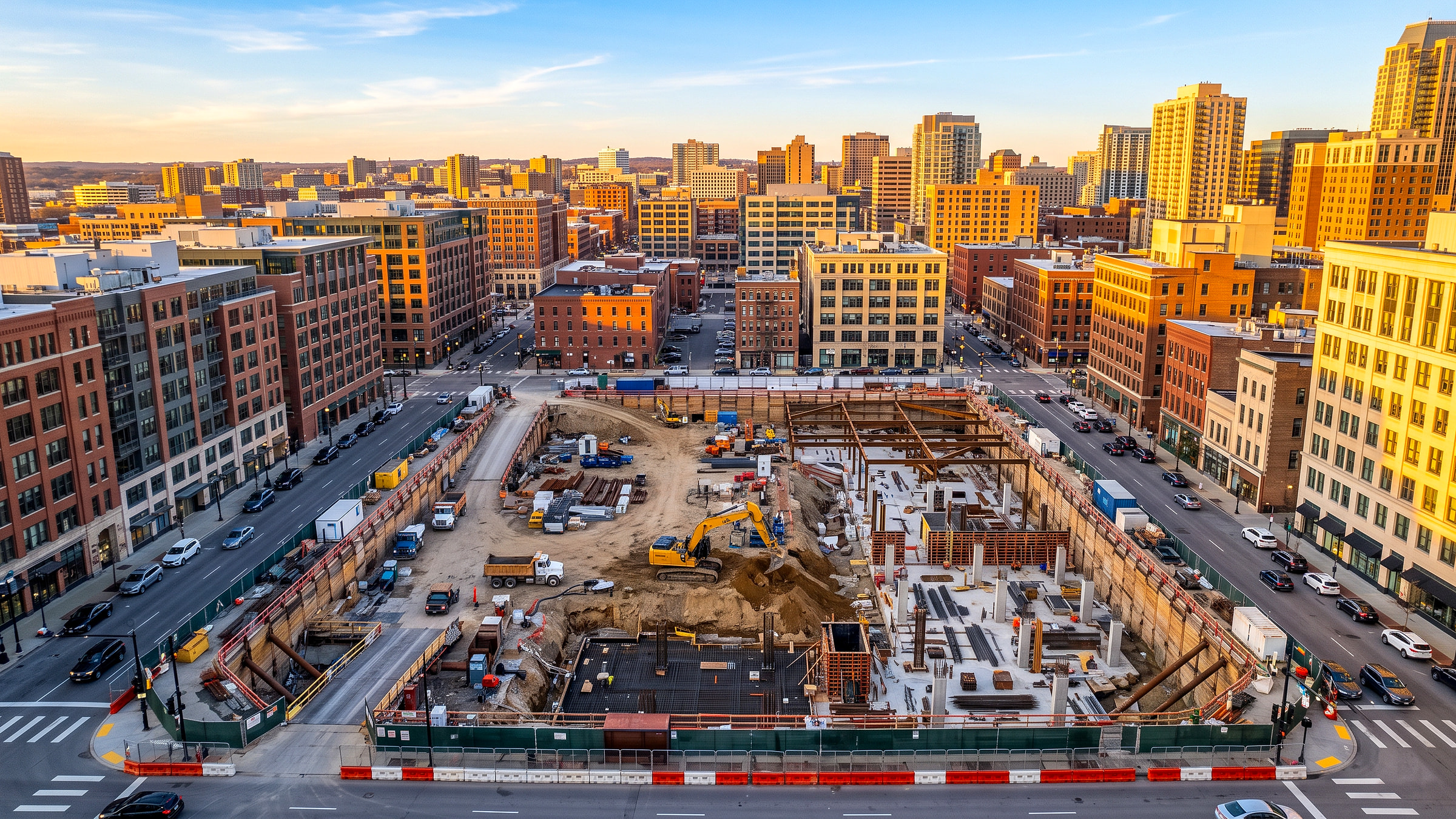
485-x is New York City’s property tax exemption for new residential buildings, created by state law in 2024 as Affordable Neighborhoods for New Yorkers and the successor to 421-a. A building of six or more units can get a tax exemption lasting 10 to 40 years if it sets aside permanently affordable or rent-stabilized units, with the length and terms set by building size and location. Larger rental projects must also pay minimum construction wages.
This guide reflects RPTL 485-x and the NYC HPD 485-x program page as of October 2026. It is not legal or tax advice. Bills to amend the homeownership option have been introduced in Albany, so check the statute before relying on Option D details.
The news that moved today. Free email. Every weekday morning.
Which projects are eligible for 485-x?
New multiple dwellings and eligible conversions with six or more units, excluding hotels. The project must start construction after June 15, 2022 and on or before June 15, 2034, and finish by June 15, 2038 (RPTL 485-x(1)(r)). Projects that started on or after April 20, 2024 must file a registration notice with HPD within six months of the commencement date, and HPD can penalize late filings up to 100 percent of the application fee (HPD).
What are the 485-x options by project size?
The statute sorts projects into four options (RPTL 485-x):
| Option | Project | Affordability | Benefit |
|---|---|---|---|
| A, large rental | 100+ units | 25% of units at a weighted average of 80% AMI | 35 years |
| A, very large rental | 150+ units in Zone A or B | 25% of units at a weighted average of 60% AMI | 40 years |
| B, modest rental | 6 to 99 units | 20% of units at a weighted average of 80% AMI | 35 years |
| C, small rental | 6 to 10 units, outside Manhattan | At least 50% of units rent stabilized | 10 years |
| D, homeownership | 6+ units | Average assessed value no more than $89 per square foot | 20 years |
For Options A and B, affordable units can use no more than three income bands, and no band can exceed 100 percent of AMI. Option C also requires a zoning lot that permits no more than 12,500 square feet of residential floor area. Option D owners must agree in writing to live in the unit as a primary residence for at least five years.
Each option also gets a construction-period benefit of up to three years. Very large rentals in Zone A can get up to five (HPD).
Where are Zone A and Zone B?
The zones are defined by community district in RPTL 485-x(1)(uu) and (vv):
- Zone A: tax lots entirely in Manhattan south of 96th Street, plus Brooklyn community districts 1 to 4 and Queens community district 1.
- Zone B: tax lots entirely in Brooklyn community districts 6 and 8, plus Queens community district 2.
These are the areas where the highest-cost, highest-wage version of the program applies.
Are 485-x affordable units permanent?
Yes. HPD states that all affordable housing units are permanently affordable, and all restricted units, including Option C rent-stabilized units, are permanently rent stabilized (HPD). The tax exemption ends; the restriction does not.
How the exemption steps down also differs by option. For 35-year rentals, years 26 to 35 differ by type: large rentals keep a 100 percent exemption, while modest rentals get an exemption equal to their affordability percentage. For homeownership, the final six years carry a 25 percent exemption (RPTL 485-x(2)).
What are the 485-x construction wage requirements?
Wage floors apply only to rental projects of 100 or more units (RPTL 485-x(3)):
- 100+ units: at least $40 an hour in total wages and benefits, rising 2.5 percent each July 1 starting in 2025.
- 150+ units in Zone A: the lesser of $72.45 an hour, escalating, or 65 percent of the greatest prevailing rate in a classification.
- 150+ units in Zone B: the lesser of $63 an hour, escalating, or 60 percent of the greatest prevailing rate in a classification.
Sites fully covered by a project labor agreement are excluded. The New York City Comptroller enforces the wage rules (HPD).
What a 485-x project signals in the public record
A 485-x election shows up before the building does. The size of the project at filing tells you which option a developer is aiming for: a new building application just under 100 units avoids the wage floor, and one at 150 or more units in Zone A or B is choosing the 40-year benefit and the higher wage. Watch for:
- New building filings with unit counts near the 99, 100 and 150 thresholds.
- HPD registration within six months of construction start.
- Restrictive declarations recorded against the lot, which lock in the affordability terms.
- Option C filings for small lots outside Manhattan, which point to rent-stabilized infill rather than income-restricted units.
Track it on The American Developer
- New building filings and hearings in our hearings and filings coverage
- Permit volume by market on the permits data page
- NYC projects on the New York market page
- More explainers in topics and guides
Latest New York stories
All New York storiesFar Rockaway 55-unit tower filed 609 days after $5.1M deed
Nov 20JPMorgan Chase records $55M mortgage on 945 Madison Avenue
Nov 20$58.5M mortgage on Manhattan church, one of three filed together
Nov 20MTA approves 375-home Crown Heights deal on Pacific Street lot
Nov 20Astoria tower owner takes $32.75M Barclays mortgage
Nov 20