What is a lis pendens, and what does it tell you about a property?
A lis pendens is a public notice that a lawsuit could affect a property's title. It is often the first record that a foreclosure or ownership fight has started, weeks or months before any sale.
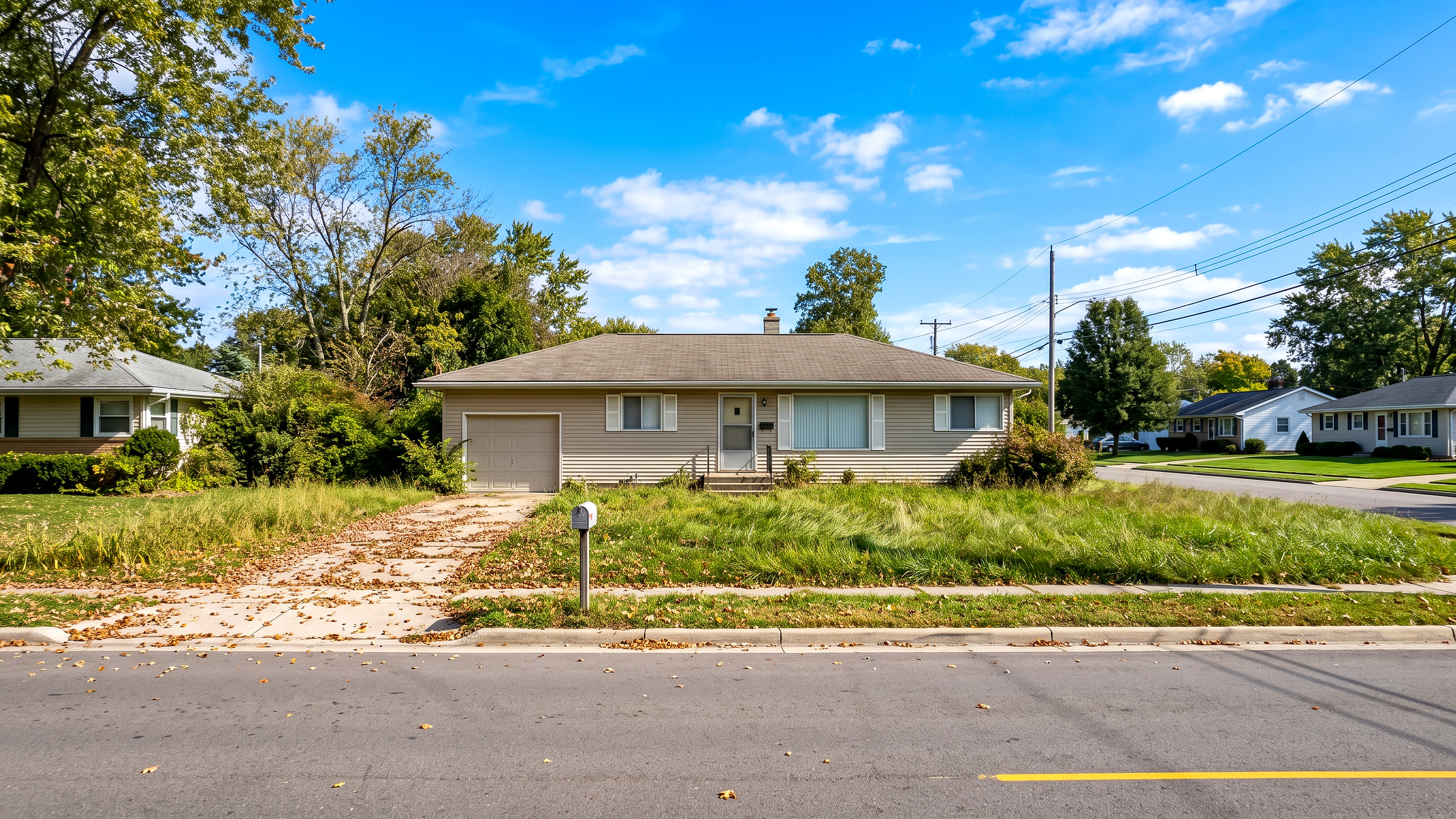
A lis pendens, Latin for “suit pending,” is a notice recorded in a county’s property records saying a lawsuit has been filed that could affect a property’s title or possession. Anyone who buys, lends against or leases the property after it is recorded takes their interest subject to the outcome of that case. For anyone tracking distress, it is usually the first public record that a foreclosure has begun.
This guide explains public procedure. It is not legal advice.
The news that moved today. Free email. Every weekday morning.
What does a lis pendens contain?
In Florida, Fla. Stat. 48.23 requires the notice to be recorded in the official records of the county where the property sits, and to state:
- the names of the parties,
- the date the action was started, or the case number,
- the name of the court where it is pending,
- a description of the property, and
- the relief sought as to the property.
That makes a lis pendens a useful index. The case number leads straight to the court docket, where the complaint, the lender and any judgment live.
How long does a lis pendens last in Florida?
Fla. Stat. 48.23 sets two tracks:
- Based on a recorded instrument or a construction lien (a foreclosure of a recorded mortgage is the common case): the one-year limit does not apply.
- Not based on a recorded instrument: the notice expires one year after the lawsuit is commenced, unless the court extends it on reasonable notice and for good cause.
The statute also cuts off late claimants. Someone holding an unrecorded interest in the property has 30 days after the lis pendens is recorded to intervene in the case.
How does a notice of pendency work in New York?
New York calls it a notice of pendency, governed by Article 65 of the Civil Practice Law and Rules.
- Where it is filed: under CPLR 6511, with the clerk of the county where the property is located.
- What it does: under CPLR 6501, it is constructive notice, from the time of filing, to any later buyer or lender. A person whose interest is recorded afterward is bound by the case as if they were a party.
- How long it lasts: under CPLR 6513, three years from filing, extendable by court order for good cause for further three-year periods.
How do I search for a lis pendens?
A lis pendens is recorded like a deed or mortgage, so it is searched the same way: by party name, property, document type or date in the county’s official records.
- Miami-Dade: the Clerk of the Court and Comptroller’s official records search is searchable online by name, document type and date.
- New York City: notices of pendency are filed with the county clerk under CPLR 6511, so start with the clerk for the borough’s county.
- Elsewhere: search the recorder or clerk for the county where the property sits.
A spike in lis pendens filings on commercial property, or a single filing against a well-known project, is often the earliest sign of trouble. The auction comes later, after a judgment.
Track it on The American Developer
- The Deal Board tracks South Florida foreclosure and tax-deed sales once they reach auction.
- The distress tracker follows commercial distress across our markets.
- How foreclosure auctions work in Florida, New York and Texas picks up where a lis pendens leaves off.
- Permits, filings and hearings covers the court and county filings behind our stories. More explainers live in our guides.
Latest national stories
All national storiesBerkadia Sells and Finances 336-Unit Everett, WA Apartments
Nov 9Brookfield-CPPIB consortium completes $5.2B LXP buyout
Nov 3Berkadia Secures $65.5M Bridge Loan for Orlando-Area BTR Community
Oct 28HTG Breaks Ground on 73-Unit Affordable Housing in Kissimmee
Oct 27Oracle Sends Force Majeure Notice on $18B New Mexico Data Center
Sep 28